Synthetic Diamond Rings: Helpful Information
The Growing Popularity of Synthetic Diamond Rings: Popular Styles and Trends for 2025
The emergence of synthetic diamond rings is reshaping the jewelry landscape as 2025 nears. With a concentration on customization and sustainability, these lab-created gems present consumers a exceptional blend of ethics and aesthetics. Designers are exploring innovative styles that marry classic charm with contemporary flair. As trends progress, the implications for both the market and consumer choices become ever more significant. What lies ahead for these synthetic gems in the world of fine jewelry?
Understanding Man-Made Diamonds: The Science Powering the Sparkle
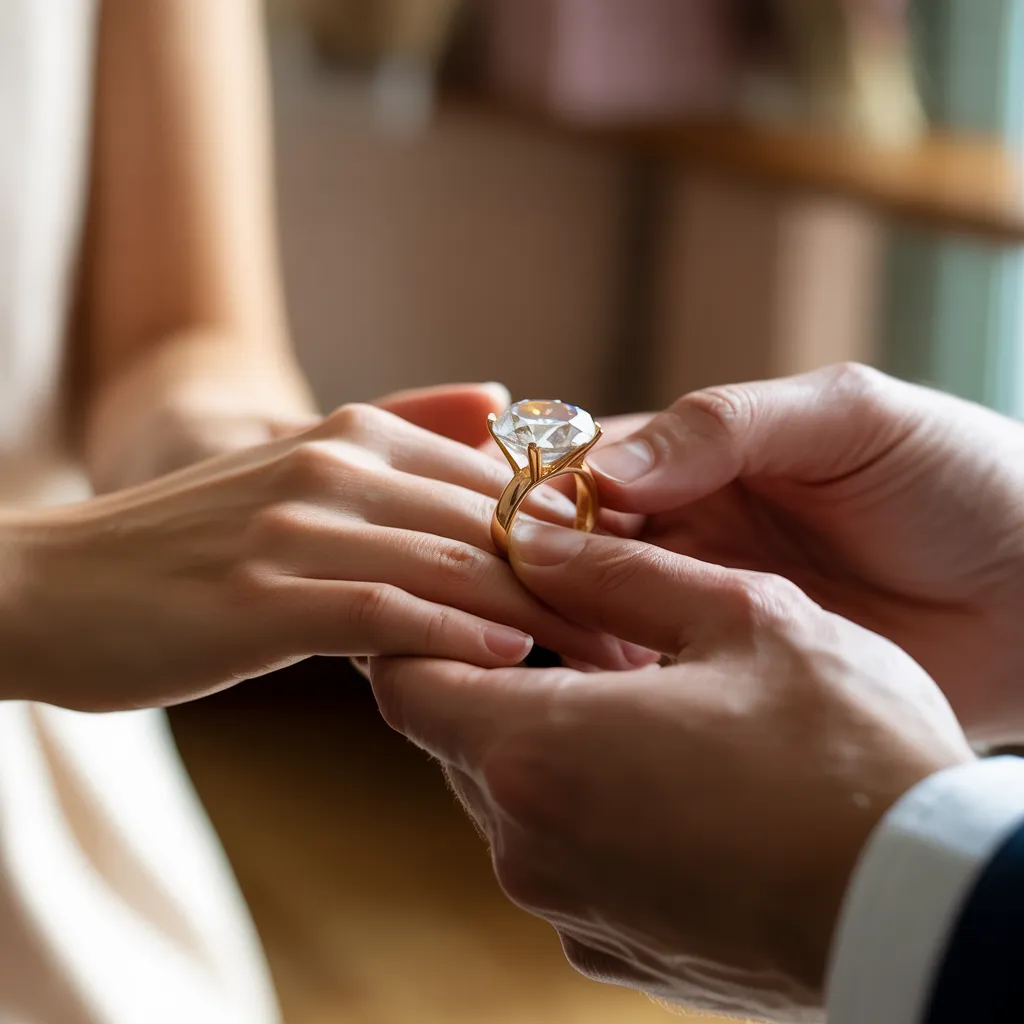
Although traditional diamonds have long been celebrated for their exclusivity and beauty, synthetic diamonds are swiftly gaining recognition for their scientific precision and ethical production. Produced through processes including High Pressure High Temperature (HPHT) or Chemical Vapor Deposition (CVD), these lab-grown stones mirror the natural conditions under which diamonds form. This allows for the creation of gems with fewer impurities and superior clarity. Moreover, synthetic diamonds can be created in various sizes and colors, enabling customization and creativity in design. The controlled environment of their creation also ensures consistent quality, making them attractive to both consumers and jewelers. As technology evolves, the allure of synthetic diamonds lies in their ability to offer the same aesthetic appeal as mined diamonds at possibly lower costs.
Environmental and Ethical Considerations
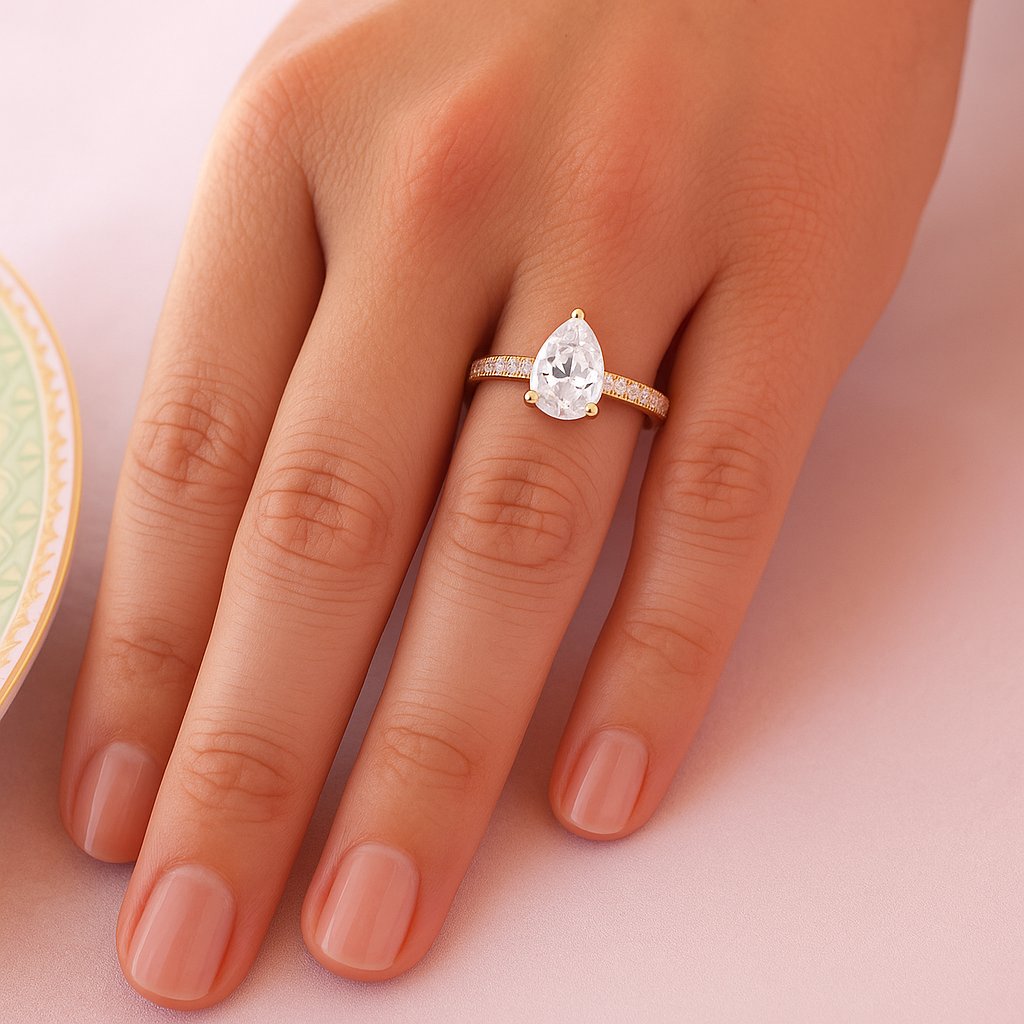
Ethical and environmental factors serve an important function in the expanding popularity of synthetic diamond rings. As consumers grow more aware of the ecological and societal consequences of their purchases, synthetic diamonds stand out as a responsible alternative to mined stones. Traditional diamond mining typically brings about environmental degradation, habitat destruction, and adverse effects on local communities. In contrast, synthetic diamonds are produced in controlled environments, significantly decreasing carbon footprints and eliminating concerns related to conflict diamonds. Furthermore, key resource as technology advances, the production process becomes increasingly efficient, further improving sustainability. This shift reflects a broader trend in consumer behavior, where ethical sourcing and environmental stewardship are paramount, positioning synthetic diamonds as an appealing choice for the modern, environmentally conscious consumer.
Well-Known Styles of Lab-Created Diamond Rings
As synthetic diamond rings continue to gain popularity, a number of styles are becoming consumer favorites. Timeless solitaires are being transformed with modern settings and designs, while distinctive vintage-style rings embody the elegance of past eras. These movements showcase a merge of traditional refinement and current creativity, attracting diverse preferences.
Classic Solitaires Reimagined
Timeless solitaire rings are witnessing a modern transformation, blending timeless elegance with innovative design elements that attract contemporary tastes. The introduction of synthetic diamonds has facilitated more creative interpretations of this traditional style, often featuring unique band materials such as rose gold or platinum. Elevated settings, including intricate pavé accents or geometric shapes, refine the classic look while maintaining its simplicity. Additionally, larger carat weights are becoming increasingly popular, offering bold statements without sacrificing ethical considerations. Customization options are broadening as well, with couples seeking personal touches that represent their individual stories. This evolution of classic solitaires not only celebrates the past but also accepts the future, making them a popular choice for modern engagements.
One-of-a-Kind Nostalgic Styles
The allure of vintage-inspired designs is attracting a new generation of couples searching for unique engagement rings. These styles, inspired by eras such as Art Deco or Victorian, merge intricate details with the brilliance of synthetic diamonds. Favored features include ornate filigree, milgrain edges, and unique stone settings that create nostalgia while delivering modern durability. Couples are continually drawn to the romanticism of antique aesthetics, often opting for rings that convey a history or reflect personal heritage. With the ability to customize synthetic diamonds, jewelers can craft bespoke pieces that match individual tastes while upholding ethical standards. As the trend continues to grow, vintage-inspired designs are set to dominate the engagement ring market in 2025 and beyond.
Palette Trends: Discovering the Spectrum
Which hues will take center stage in the world of synthetic diamond rings in 2025? The spectrum of colors is broadening, with vibrant hues increasing in popularity. Deep blues and rich greens are predicted to captivate couples, showcasing distinctive personal styles. Soft pastels, including blush pinks and light lavenders, will also make a notable presence, appealing to those who embrace subtlety. Additionally, warm tones like golden yellows and fiery oranges will emerge, offering a bold alternative to traditional clear diamonds. As consumers desire individuality, colorless options will still keep their place, but they will increasingly share the platform with these striking shades. This shift reflects a wider trend toward personalization and self-expression in the jewelry market.
Setting Trends: Unique Ring Designs
As partners progressively look to showcase their unique identity, exceptional ring creations are prepared to dominate in the synthetic diamond market for 2025. Prepare to witness a surge in unconventional settings that defy traditional norms. Angular forms, unbalanced patterns, and blended metal pairings are rising in prominence, allowing wearers to showcase personal style. Vintage-inspired designs are also making a comeback, blending old-world charm with modern aesthetics. Customization options will flourish, facilitating duos to collectively build their pieces, infusing unique details through etchings or determining exact gem locations. Moreover, earth-derived patterns, like plant-based or living silhouettes, will attract people wanting a natural relationship. In summary, 2025 promises an array of innovative and distinctive designs that cater to diverse tastes.
Budgeting for a Synthetic Diamond Engagement Ring
When considering a synthetic diamond engagement ring, comprehending the price differences between natural and lab-created diamonds is crucial. Couples should diligently set their budget to align with their financial situation and preferences. Additionally, exploring available financing options can offer flexibility in managing the costs associated with this substantial purchase.
Comprehending Price Variations
Although the attractiveness of synthetic diamond engagement rings has increased in recent years, understanding the price differences is vital for anyone budgeting for such a purchase. Synthetic diamonds typically cost 20-40% less than their natural counterparts, making them an compelling option for budget-conscious consumers. Factors impacting these price differences include the quality of the diamond, such as carat weight, cut, color, and clarity. In addition, the manufacturing process of synthetic diamonds can be more productive, resulting in lower production costs. However, consumers should also evaluate the retailer's mark-up and the potential for resale value, which tends to be lower for synthetic diamonds. An informed approach helps confirm that individuals make a financially sound decision in line with their personal values.
Creating Your Budget
Setting a budget for a synthetic diamond engagement ring is vital for ensuring a rewarding purchase experience. Couples should first determine their overall spending limit, taking into account personal finances and future goals. Synthetic diamonds typically present a more budget-friendly alternative to natural diamonds, permitting for larger carat sizes or higher quality options within a similar price range. It is advisable to account for additional costs such as the setting, appraisal, and insurance. Researching market trends and comparing prices can help establish reasonable expectations and avoid overspending. Couples may also evaluate the significance of the purchase, prioritizing elements that matter most to them, whether it be the diamond's quality, size, or the design of the ring itself, to create a special and budget-friendly choice.
Financing Choices Available
Examining financing options can substantially boost the purchasing power for couples seeking a synthetic diamond engagement ring. Various financing solutions are available, including credit cards with promotional interest rates, personal loans, and retailer financing programs. Couples can take advantage of zero-interest installment arrangements that allow them to distribute payments over several months or even years. Additionally, some jewelers feature layaway options, helping customers to reserve their chosen ring while making partial payments. Another alternative is to use savings specifically earmarked for the purchase, which can minimize debt accumulation. By carefully examining these financing alternatives, couples can discover a solution that matches their budget, ensuring they select a ring that expresses their commitment without sacrificing their financial stability.
Lab-Grown Diamonds: The Future of Fine Jewelry
With the evolution of the jewelry industry, synthetic diamonds are poised to redefine the landscape of fine jewelry in the coming years. Growing consumer acceptance and advancements in technology are driving a shift towards these lab-created gems, which provide ethical and environmental benefits. As awareness expands, brands are expected to innovate, presenting unique designs that cater to diverse tastes while maintaining price competitiveness. The demand for bespoke pieces featuring synthetic diamonds will likely grow, with consumers seeking sustainability and personalization in their purchases. Retailers may emphasize educating customers about the value and quality of synthetic diamonds, further strengthening their place in the luxury market. In summary, synthetic diamonds are set to become a staple in fine jewelry, shaping trends for years to come.
Common Questions
How Can Synthetic Diamonds Compare to Natural Diamonds in Price?
Man-made diamonds usually hold less market value than natural diamonds owing to their laboratory production. This price difference stems from factors such as rarity, consumer perception, and market demand, influencing purchasing decisions considerably.
Are Synthetic Diamonds to Be Resized or Repaired Similarly to Natural Diamonds?
Synthetic diamonds can generally be resized and repaired similarly to natural diamonds. Jewelers commonly apply the same methods to both kinds of diamonds, guaranteeing that lab-grown stones preserve their structural integrity and visual appeal throughout the resizing procedure.
What Is the Usual Lifespan of a Synthetic Diamond?
Man-made diamonds can endure for a lifetime, comparable to natural diamonds. Their resistance to wear and durability guarantee they keep their sparkle and physical stability for generations, making them a lasting choice for jewelry.
Are Synthetic Diamonds Detectable by Jewelers?
Jewelers can frequently identify synthetic diamonds using specialized equipment that recognizes their distinctive characteristics. Although they appear visually similar to natural diamonds, subtle differences in their formation enable experts to effectively distinguish between the two types.
How Do I Pick the Perfect Carat Weight for My Ring?
To pick the right carat weight for a ring, individuals should consider style preferences, hand size, and budget. Balancing these factors creates a harmonious look while meeting preferences for sparkle and visual impact in the design.